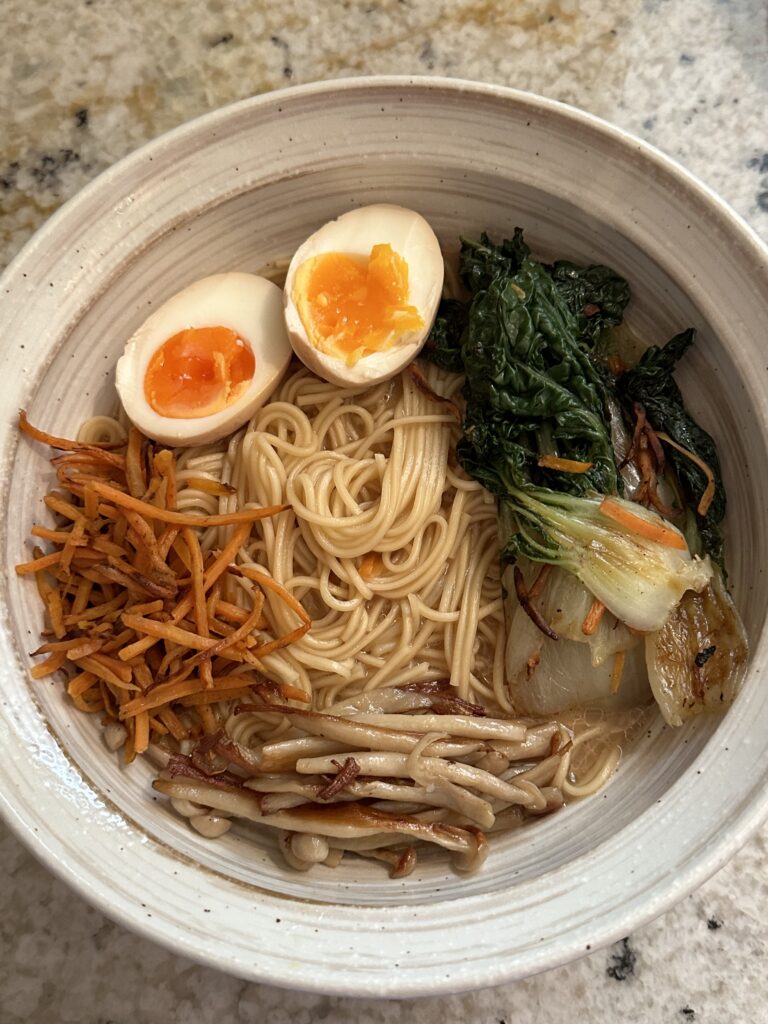
We’ve all been there before: frantically looking up how to boil the perfect runny egg (6 minutes, btw) or substitute heavy cream with cream cheese in a casserole recipe. The pot is boiling, the oven is ready, and you’re in a tizzy searching for answers to your pressing recipe mystery.
Then you find it, the perfect answer! Or so it seems. After clicking on the result that should take you to the answer you’re looking for, you’re instead met with the recipe writer’s personal story about that time they made tonkotsu broth from scratch for their neighbor during a snowstorm. The story is written in painstaking detail, and before you know it, you’ve boiled your egg too long and now your ramen is ruined.
So, what gives? Why do the chefs with the keys to the recipe kingdom bury their treasures beneath walls of text about nothing that matters to you? Part of the answer, my hungry friend, is SEO.
Hiding Keywords in Recipe Blogs
Keywords are the lifeblood of SEO. They’re one of the biggest ways that search engines identify and digest content. Things like on-page keywords, anchor text, and latent semantic indexing keywords all add up to one of the biggest pillars of SEO. They’re a big chunk of the O: optimization in SEO.
Good SEO content is useful information that’s seasoned with the perfect dash of keywords. But thin content like recipes doesn’t leave much room to add keywords in a natural way. So, food bloggers have collectively started adding a lot of extra content to their recipes to fit in SEO keywords. It’s a double-edged kitchen knife (get it, because this is about food? ah, the best puns are the ones that have to be explained). The keywords are part of what inspired Google to put that page on your SERP menu, but they’re also what’s burying your answer so far down the blog post.
Types of SEO Keywords
SEO keywords fall into multiple categories. For the sake of recipe blogs, I usually see three main types of keywords. These may not be the technical terms everyone uses, but this is how I’ve always understood my beloved keywords.
Main Keywords
In recipe blogs, you’ll usually find some main SEO keywords buried in the cute story at the top. These are the keywords that the recipe blog post itself is trying to rank for. This could be “egg boiling times by doneness” or “easy weeknight chicken meals.” You’ll usually find the blog’s main keyword in its title tag, H1, or even its URL slug.
You can also view main keywords as topics. They’re the things you’ll discuss in your ramen recipe blog post.
LSI Keywords
The next recipe blog keyword ingredients are LSI keywords. LSI stands for latent semantic indexing. Many SEOs view LSI keywords as an optional ingredient. To me, they’re as crucial as salt (which is everywhere, even in desserts!). These are keywords that crawlers like Google expect to see in your content based on the subject.
So for example, if you’re writing a blog about how to change a car tire, search engine crawlers like Google would expect you to have words like “wrench” and “car jack” in the blog to demonstrate that you’re discussing the topic at hand in enough detail to make your readers happy. If you don’t have those LSI keywords, you’re probably missing crucial details in your content. This is why I think they’re still useful SEO blog ingredients. They provide an outline of topics you should cover in your blog post to accurately discuss the main keywords.
Main keywords are the meat of your blog post, but LSI keywords are the secret ingredient you need for the perfect optimization balance. From a topical perspective, LSI keywords are the extra pieces you need to tell a story with the right amount of detail.
Anchor Text
As much as I’d like to think every blog I write has value just because it’s a fun piece of content, I know that’s not the case. One of the biggest plays of SEO blogging is to build consistent internal links to key pages on your site. This is done by linking to your site pages from your blog posts with optimized anchor text over a long period of time.
You’ll find this a lot in recipe blog posts. As you’re trying to scroll past the giant intro paragraph about the writer’s favorite springtime Hallmark Channel movies, you’ll suddenly see a link to another recipe about the best blended coffee drinks you can make right now with just a few staples from your fridge. It’s not that the writer wants you to make the coffee, it’s that they want search engines to crawl that coffee link and remember it for later the next time another person is looking up at-home Frappuccino dupes.
These kinds of links between webpages are like little roads that search engines use to find and classify content. The name of the road, where it came from, and where it’s going all influence how a search engine understands the content being linked to. Anchor text in SEO blog posts is one piece of the map.
How to Make a Ramen Egg
Now that you understand why so many recipe blog posts have all that content at the top, you can finally get what you’ve come here for. Here’s my personal favorite way to make a ramen egg.
Disclaimer* This is honestly probably not the best way to make ramen eggs at home. It’s just the approach that works for me with the ingredients I usually have on hand. My biggest focus with a ramen egg is that ooey gooey yolk, so as long as I have that, I’m happy. If you want to dress up cup noodle or other basic ramen, maybe this recipe will help.
What You’ll Need:
- 3 room temperature eggs
- ½ cup soy sauce
- 2 tsp vinegar
- ⅓ cup of water
- A pinch of sugar
- Bowl of ice water
- An air-tight container to hold the eggs
Step 1: Bring a pot of water to a boil.
Step 2: While the water is starting to boil, mix the soy sauce, water, sugar pinch, and vinegar. Set aside.
Step 3: Gently lower your eggs into the boiling water and let boil for 5 to 6 minutes. If you like your ramen eggs firmer, boil for 7 minutes.
Step 4: Scoop the eggs out of the water and lower them into your ice water bowl to stop the cooking. Let cool until they can be held.
Step 5: Gently peel your eggs. (Or if you’re like me, get really frustrated as you’re peeling and accidentally rip chunks out of your eggs but still mostly peel them.)
Step 6: Place your peeled eggs in your air-tight container, then pour your mixture from Step 2 over until the peeled boiled eggs are submerged. If you don’t have enough mixture to cover the eggs, just add some more water and a bit of soy sauce. You want the eggs to float in their soy sauce slurry bath.
Step 7: Close the container and leave the eggs overnight. They need to marinate for at least 4 hours, but you should eat them within 24 hours.
Step 8: When you’re ready to eat your ramen eggs, remove them from their marinade and cut them in half longways to serve.
Now that you know a bit more about how SEO keywords work and how to haphazardly make a ramen egg with far too many substituted ingredients (did you know they usually use sake in the recipe!?), you’re ready to recognize the necessity of those walls of text at the top of recipe blogs. Bonus points to the SEO chefs who have added Jump To Recipe buttons on their blog posts. You’re the real MVPs.
